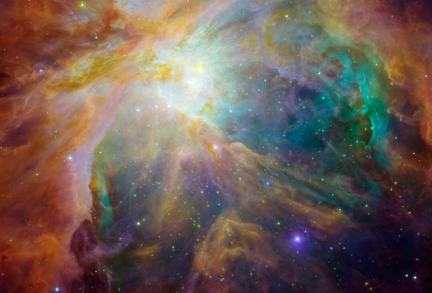
Orion nebula. Photo © NASA

Orion nebula. Photo © NASA

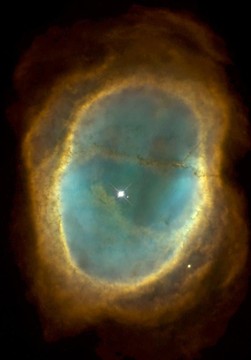
Ring Nebula. Photo © NASA

Ring Nebula. Photo © NASA

Next weekend, a few hardy members of the Royal Astronomical Society of Canada’s Victoria chapter will mark the start of spring with a little-known ritual. Clear skies willing, they will stay up until dawn on Sunday to participate in an astronomical test of endurance, knowledge and night-sky navigation skills.

Their marathon differs from most. Instead of running long distances, participants will spend the night hunched over their telescope eyepieces, twiddling knobs and adjusting their instruments by hand.  They seek not to cover territory on the ground, but in the sky. Their goal is to locate 110 very specific heavenly objects before dawn. The objects were first catalogued by a French astronomer named Charles Messier more than two centuries ago….

Read the rest of this editorial at the Victoria Times Colonist….
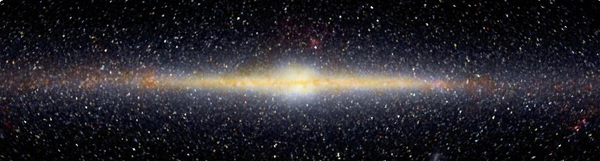
Milky Way Galaxy. Photo courtesy of NASA.

The Milky Way Galaxy. Photo courtesy of NASA.

Today is International Astronomy Day. While amateur astronomers around the world will spend the day and evening extolling and exploring the wonders of the night sky, Victoria’s chapter of the Royal Astronomical Society of Canada has additional reason to celebrate. After a year of planning, the society and the municipality of Oak Bay have designated our own Cattle Point as the first urban star park in western Canada.

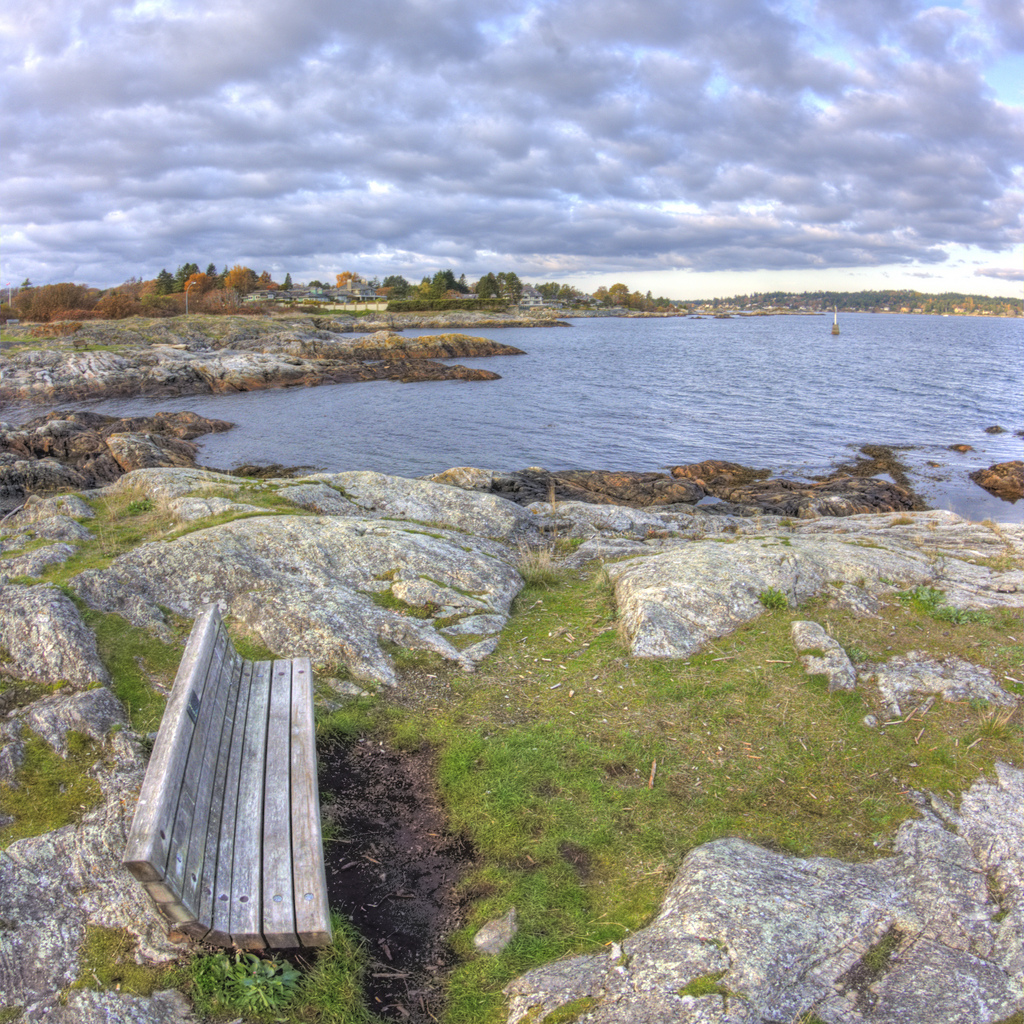
Cattle Point, Oak Bay. Photo by Evan Leeson, www.ecstaticist.com

At night, Cattle Point (see here in the evening) remains a dark refuge within the Greater Victoria urban area. Photo by Evan Leeson, www.ecstaticist.com

Star parks conserve and promote dark skies and the ability to see the stars. They form part of an international initiative to draw awareness to light pollution and its effects on health and quality of life. Star parks in urban areas are rare, due to nearby city lights.

Canada’s only other urban star park is located in Saint John, N.B. Canada’s 14 other dark-sky preserves are found in rural or wilderness areas.

“We’re lucky here,” says Mark Bohlman, who leads the Victoria initiative. “We can see the stars when the weather’s good. There are very few other places in North American cities where you can see the Milky Way.”

….

Read the rest of this column in the Victoria Times Colonist


 Other sources, this editorial:

Victoria sky-light quality map