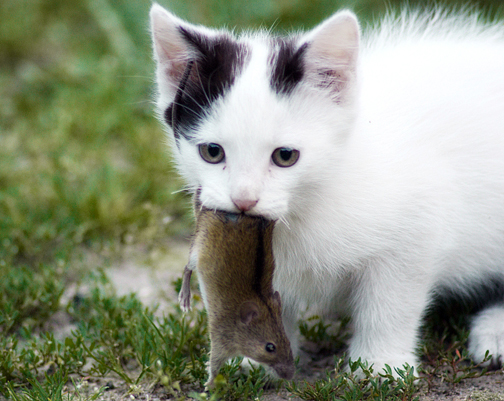
Killer kitty catches mouse. Photo by Chris (Eisenbahner)

A neighbour’s cat adopted me last year. When she’s bored and I’m home, she visits. She gets a lap to nap on. I get a cat without kitty litter, cat food, or hair on everything.

It also keeps her safe, during each brief visit, from becoming roadkill, eating or drinking noxious substances, and from stalking birds, squirrels, garter snakes and other garden wildlife.

I’ve never seen her hunt, but why would she differ from other cats?

Because Felix (or Felicia) the cat is deadly. When scientists from the Smithsonian Institute and the U.S. Fish and Wildlife Service scaled data from local surveys and studies to the national level last year, they estimated that domestic cats in the U.S. kill 2.4 billion birds and 12.3 billion mammals. Every year….

Read the rest of this editorial in the Victoria Times Colonist


Additional sources:

Stephen Raverty: Veterinary pathologist

Toxoplasma gondii-Infected Marine Sentinel Species

Impact of free-ranging wildlife: Nature Communications

Milky Way Galaxy. Photo courtesy of NASA.

The Milky Way Galaxy. Photo courtesy of NASA.

Today is International Astronomy Day. While amateur astronomers around the world will spend the day and evening extolling and exploring the wonders of the night sky, Victoria’s chapter of the Royal Astronomical Society of Canada has additional reason to celebrate. After a year of planning, the society and the municipality of Oak Bay have designated our own Cattle Point as the first urban star park in western Canada.

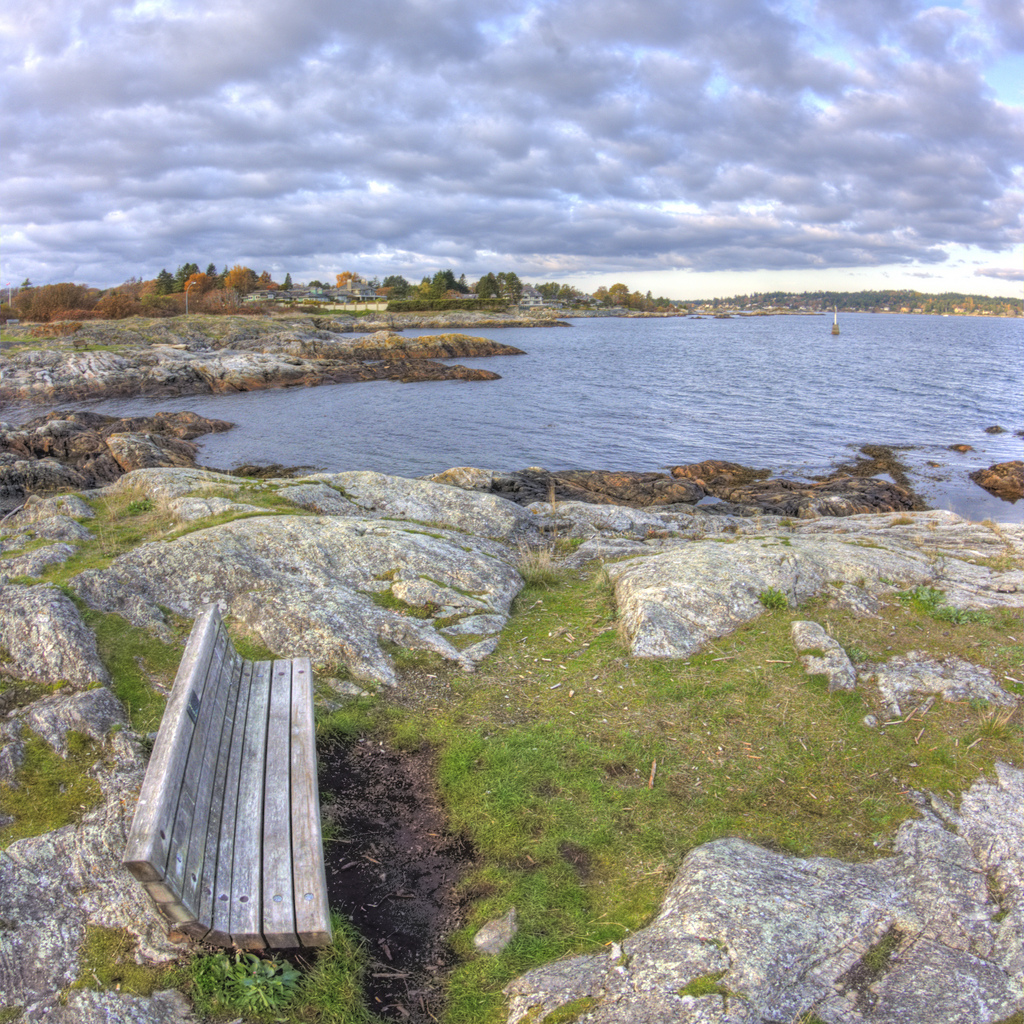
Cattle Point, Oak Bay. Photo by Evan Leeson, www.ecstaticist.com

At night, Cattle Point (see here in the evening) remains a dark refuge within the Greater Victoria urban area. Photo by Evan Leeson, www.ecstaticist.com

Star parks conserve and promote dark skies and the ability to see the stars. They form part of an international initiative to draw awareness to light pollution and its effects on health and quality of life. Star parks in urban areas are rare, due to nearby city lights.

Canada’s only other urban star park is located in Saint John, N.B. Canada’s 14 other dark-sky preserves are found in rural or wilderness areas.

“We’re lucky here,” says Mark Bohlman, who leads the Victoria initiative. “We can see the stars when the weather’s good. There are very few other places in North American cities where you can see the Milky Way.”

….

Read the rest of this column in the Victoria Times Colonist


 Other sources, this editorial:

Victoria sky-light quality map

Spring greens grow. Photo by James Mann, www.backyardgardeningtips.com

As a child of Depression-era children, I experienced the annual toil of backyard gardening early on. Mostly reluctantly, and only because the alternative to spending summer Saturday mornings outside among the lettuces, carrots and beans was spending that time scrubbing toilets and cleaning the weekly hairball out of the shower drains.

Despite the eloquent persuasiveness of that choice, no under-18s in the household at that time considered weeding a privilege.

Now, however, older, wiser and much busier, we each find ourselves spending time mucking around in the dirt to grow our own fodder. Our kitchen gardens range from year-round herbs for seasoning, to seasonal salad fixin’s, to more ambitious items like vegetables and fruit.

Just having the time to muck around is a treat.

It also helps that produce you produce tastes better. Even a little garden parsley and rosemary in soup creates freshness for the taste buds. Potatoes, peas, corn and carrots cooked and eaten within minutes of being picked exist in taste categories on their own.

There’s also the feeling of moral superiority and self satisfaction of getting the ultimate scoop on the 100-mile diet. Footprints from garden plot to soup pot: 20. Carbon footprint: Zero.

You can’t get much more local than that.

….

Read the rest of this editorial in the Victoria Times Colonist


Capital Region Food and Agriculture Initiatives Roundtable

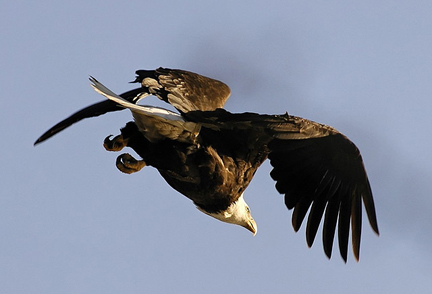
Bald eagle. Photo by Brendan Lally, www.brendanlallyphotography.com

Bald eagle. Photo by Brendan Lally, www.brendanlallyphotography.com

Bald eagles could be the bird world’s version of heavyweight-boxer Mike Tyson. The eagle is a big bruiser of a bird. It bullies other birds, steals meals, and scavenges whenever it can. Yet, during mating season, incongruously thin, soprano sweet nuthin’s emerge from predator’s curving yellow beak.

In addition to eagles’ springtime singing along the Gorge waterway, I’ve noticed local ravens pairing up and chortling amongst themselves. Robins now out-chirp each other thoughout the day, varied thrushes rend dawn with their off-key whistles, and towhees mimic hinges in need of oil. The chestnut-backed chickadee has changed its tune from “chickadee-dee” to “Hey, baby!” And the winter wren’s love-lorn performances make me wonder how these tiny avian opera singers can sustain so many trills and arpeggios with just one breath.

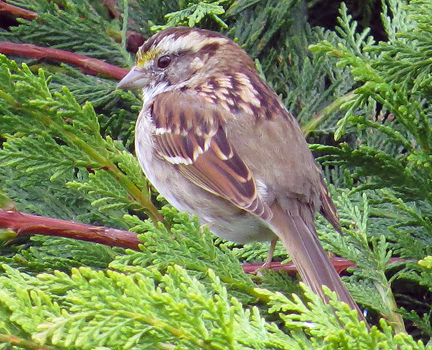
White-throated sparrow. Photo by leppyone

White-throated sparrow

It’s easy enough to guess what they’re singing about right now. Something along the lines of “Let’s make beautiful music together” to the ladies, and “Get off my beat or I’ll beat you up” to other guys. These themes play out in human songs as well, as Pacific Opera’s performance of Tosca demonstrates this month. They also cause many of the same emotional responses in both animals.

Apparently, breeding female white-throated sparrows—a songbird of Canadian forests—respond to the songs of male sparrows in the same way that humans respond to pleasant music. The reward centres in the sparrow brains light up just like ours do, say the researchers who scanned the birdbrains.

Read the rest of this editorial in the Victoria Times Colonist

Sources include:

How human language could have evolved from birdsong

Birdsong syntax

Some birds seem to have grammatical rules in their songs

Birds teach secret passwords to unhatched chicks

Birdsong: music to their ears (and hearts)

Thwarted child abduction, Toronto, March 2013

Retirement home for those on the Freedom 95 Plan

Retirement home for those on the Freedom 95 Plan

Living in Victoria, it’s hard to not know somebody living the life of retirement Reilly. Despite more and more younger people coming to the region, the local population remains, on average, older than that of most Canadian cities.

When I moved here, back in the flush of youth, I suddenly found myself with a circle of friends who were, on average, much older than any such circle I’d had before.

They’re all great people.

But I’m going to point out a downside to the difference in our life stages. When you work and many of your friends are retired and retired well, you get to hear them plan their getaways to ski condos, island cottages, on their boats, or somewhere exotic—not for a weekend as you are limited to, but for one, two, three months—oh, heck—maybe a year, while they rent out their mortgage-free homes in Victoria.

But that’s fine. As a gainfully employed individual, you regretfully turn down invitations to join these friends on their adventures because, well, you have to work on Monday. You tuck away the regret, and focus on the hope that, in 10, 20, 30 years —surely no more than that—you will be making those plans and inviting friends along.

Read the rest of this editorial in the Victoria Times Colonist….


Further reading and sources:

Statistics Canada’s How many years to retirement?

Jonathan Chevreau, Work longer, save more money, Financial Post

CD Howe Institute’s Later retirement: the win–win solution

Where Freedom 55 was conceived

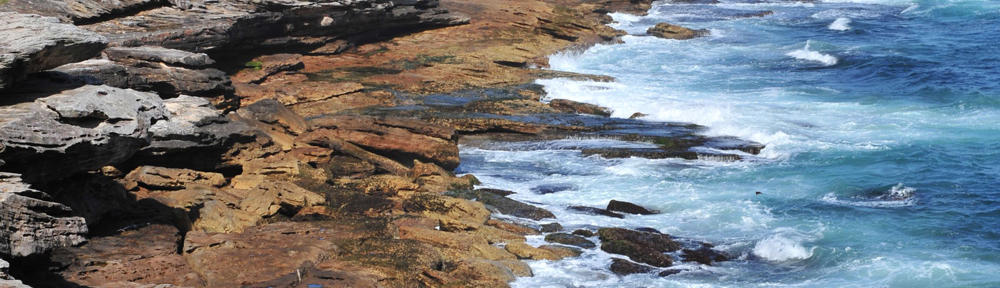
Waves breaking on the Ogden Point breakwater, Victoria, BC. Photo by Stewart Butterfield.

Someday, our hilltop house may be waterfront property. It won’t happen soon—certainly not this century, and maybe not even this millennium. However, if global warming continues, the surf may indeed break at the bottom of our driveway.

Nature Boy can’t wait.

When I point out the timelines don’t work with his schedule, he says, “Did you ever in a million years think we would live in a house that’s worth what our house is worth now?”

If he’s that excited about sea level rising in the next 200 to 1,000 years, it’s just as well he wasn’t around 11,000 to 13,000 years ago. Bison fossils on the San Juan islands and Vancouver Island suggest lower sea levels at the time created a landbridge from Victoria to the mainland. The link would have allowed plants, bison and other animals to spread here from the mainland at the end of the last ice age.

But the ice age is over, and climate is changing again. Last year marked the 36th year in a row in which global temperatures outpaced the 20th-century average. It was also the 10th warmest year since 1880, when people first started recording temperature.


Continue reading this editorial in Victoria’s Times Colonist newspaper….


Other sources include:

Sea-level rise in 21st Century

Sea-level rise and Vancouver flood protection upgrades

Canadian Arctic glaciers

Joint Victoria–Saanich–CRD meeting, November 21, 2012

Saanich Climate Change Adaptation Plan

Victoria Climate Change risk assessment

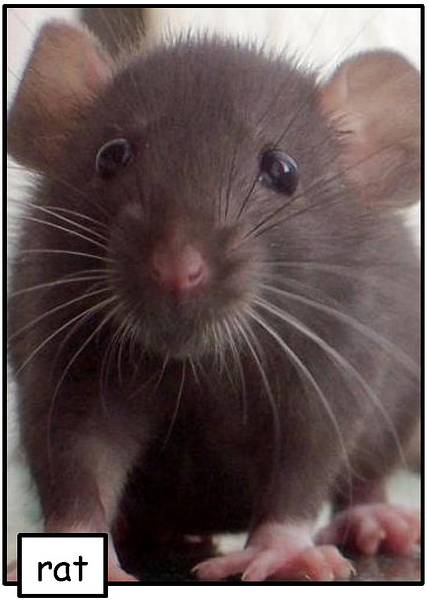
Rat. Photo by Charles J. Danoff


Seats of government seem to have problems with rats.

A case in point: during the first half of Canada’s existence as a nation, so many rats lived on Parliament Hill, they fed a large colony of feral cats.

However, in the 1950s, decision makers on the Hill started using pesticides to control rodents. The cats were out of a job, and for the next six decades, the felines were on the dole, like some resource-industry workers through the same years. Human volunteers took over care and feeding of the Parliamentary strays. This January, the Parliament Hill cat sanctuary closed forever.

Admittedly, cats could only control, not eradicate, Parliamentary rodents. Leaving out grain laced with poison kills rats more efficiently.

Continue reading….


Sources for this article include:

Parliament Hill cat sanctuary closes – CBC News

Rat-free Anacapa Island – LA Times

Green lawns not worth the health risks: Doctors – Times Colonist 

CAPE presentation to BC pesticides committee

More doctor reaction to pesticide decision – The Tyee

Killing rats is killing birds – Nature.com


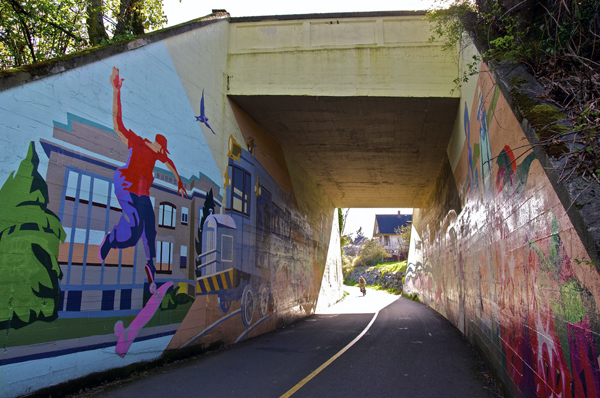
Mural art along the Galloping Goose trail. Photo by Alejandro Erickson

A couple of years back, archeologists undertook to examine decades-old graffiti on the walls of a London flat once rented by the punk-rock band the Sex Pistols.

The vandalism comprises eight scrawling cartoons. Most were created by John Lydon, a.k.a. Johnny Rotten, and feature himself, his fellow band members and other Pistols associates.

The archeologists later intoned in the journal Antiquities that the drawings, like the cave paintings at Lascaux, France, are pieces of art and deserve archeological investigation.


Continue reading…


Sources for this article include:

Johnny Rotten’s graffiti: the new heritage?

Capital Regional District bylaw

Church dome painted by graffiti artists